
Preparing for Dental Implants: What You Should Know

Preparing for Dental Implants: What You Should Know
Description:
Before starting the dental implant process, the patient needs to undergo thorough preparation. This includes both diagnosis and planning the procedure. It is important to know what steps need to be taken to successfully place the implant and what needs to be considered before starting treatment.
Preparation steps:
1. Initial consultation with a dentist: The first step is a consultation with an implantologist or dentist. The doctor assesses the patient's general health, studies the history, conducts an oral examination, and analyzes the presence of possible contraindications to the procedure.
2. Diagnostics: For an accurate diagnosis, X-ray examinations and, if necessary, computed tomography are performed. This allows you to determine the quantity and quality of bone tissue, as well as the location of nerves and blood vessels.
3. Surgery planning: Based on the data obtained, the doctor creates an individual treatment plan. If necessary, additional procedures, such as bone augmentation or sinus lift, may be planned.
4. General health assessment: Before the implant, it is important to make sure that the patient does not have any serious medical conditions that may affect the healing process after the surgery. Conditions such as diabetes, cardiovascular problems or smoking can slow down the recovery process.
5. Laboratory tests: Laboratory tests may be ordered to assess the patient’s general health. This is especially important if there are chronic diseases or other risks that may affect the healing process.
6. Choosing the type of implant: The doctor explains the available implant options (titanium or zirconium) to the patient and helps determine the best option according to individual needs.
Pre-procedure tips:
• Avoid smoking: Smoking can seriously affect the healing process after the implant and increases the risk of complications.
• Balanced diet: It is important to have a balanced diet before the surgery to maintain a healthy immune system.
• Avoid alcohol: Alcohol also negatively affects the healing process, so it should be avoided for a few days before and after surgery.
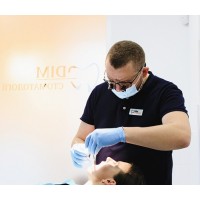
Dental implantation is a complex of surgical and orthopedic manipulations aimed at replacing a missing tooth with its analogue - an implant. At the same time, adjacent teeth are no..


