
Postoperative care for dental implants: How to avoid complications
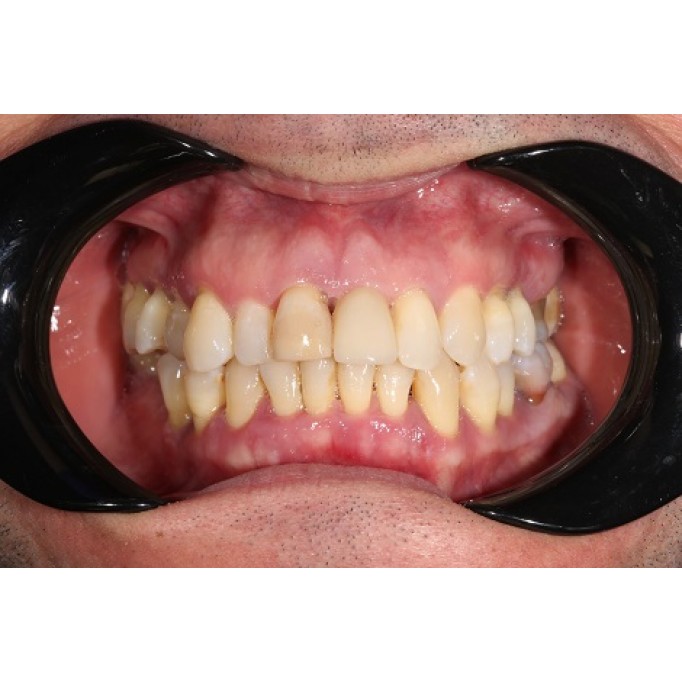
Postoperative care for dental implants: How to avoid complications
Description:
After a successful dental implant, it is very important to follow the rules of postoperative care to avoid possible complications and ensure a quick and successful healing. In this article, we will review the basic recommendations for caring for dental implants.
Basic rules of postoperative care:
1. Maintaining oral hygiene: Although a dental implant is not a natural tooth, it should be cared for just as carefully. Regular brushing and flossing twice a day will help prevent the accumulation of bacteria around the implant.
2. Mouthwash: After surgery, it is recommended to use antiseptic mouthwash solutions to reduce the risk of infections. Your doctor may recommend special solutions or prescribe medications for rinsing.
3. Avoiding physical exertion: In the first few days after surgery, you should avoid strenuous physical exertion that can cause bleeding or increased pressure on the implant site.
4. Diet: It is recommended to avoid hard, hot or very cold foods in the first few days after surgery. It is best to eat soft foods that will not irritate the surgical site.
5. Taking medications: The doctor may prescribe antibiotics or painkillers to prevent infections and relieve pain. It is important to follow the dosage and recommendations for taking the medication.
6. Regular visits to the dentist: After implantation, the patient should visit the dentist regularly to monitor the healing process and ensure that there are no complications. The doctor may prescribe additional examinations if necessary.
Possible complications after implantation:
1. Peri-implantitis: This is inflammation of the tissues around the implant, which can lead to loss of the implant if not treated in time. Symptoms include redness, swelling and pain.
2. Infections: Infections can occur after surgery if hygiene recommendations are not followed. It is important to monitor your oral health closely and see your dentist at the first sign of infection.
3. Implant rejection: In rare cases, the body may reject an implant. This is usually due to infection or healing problems. Regular visits to the dentist will help to detect the problem early.

Dental implantation is a complex of surgical and orthopedic manipulations aimed at replacing a missing tooth with its analogue - an implant. At the same time, adjacent teeth are no..


