
Contraindications to Dental Implants
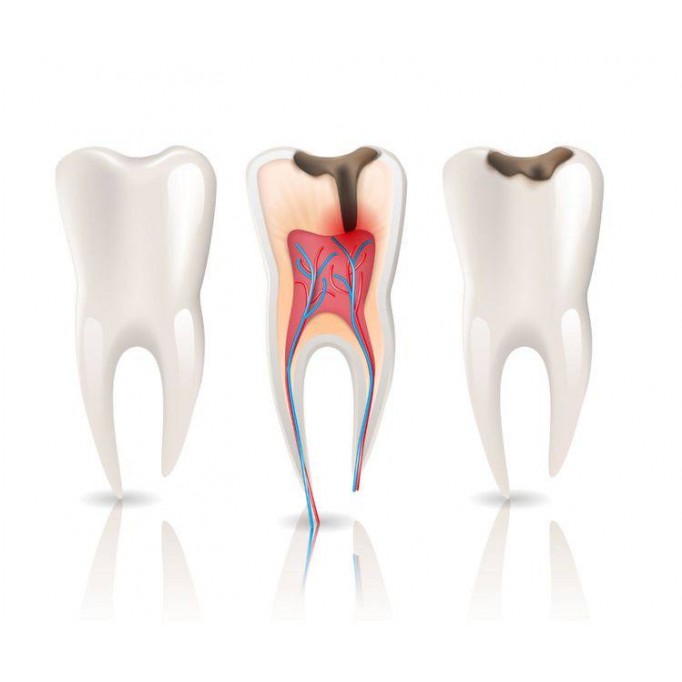
Contraindications to Dental Implants
Description:
Although dental implants are one of the most effective methods of replacing lost teeth, not all patients can undergo this procedure. There are several contraindications that can affect the ability to place implants without risking their health.
Main contraindications:
1. Insufficient bone tissue: If the patient has lost their teeth for a long time, the bone tissue may atrophy, making it difficult to place the implant. In this case, a bone augmentation procedure is necessary.
2. Periodontitis or other gum diseases: If the patient suffers from chronic gum disease, this may reduce the chance of successful implant implantation.
3. General diseases: Patients with diabetes, cardiovascular diseases, immune system disorders or cancer may have limitations to place implants due to the risks of poor healing or rejection.
4. Smoking: Smoking significantly affects the healing process after surgery, which can lead to unsuccessful implant implantation. Patients are advised to quit smoking several months before the procedure.
5. Age: Although implantation is possible at both young and old ages, implants are usually not placed in children until the jawbone has fully formed.
6. Poor oral hygiene: Patients who do not maintain proper oral care are at risk of complications after implant placement.
Relative contraindications:
There are also relative contraindications that can be addressed before the procedure, such as temporary infections or the need for gum treatment.
Keywords:
#ContraindicationsToImplantation #DentalImplantation #BoneBuilding #Periodontitis #SmokingAndImplants #CommonDiseases #DiabetesAndDentistry #Dentistry #DentalSurgery #GumHealth


Dental implantation is a complex of surgical and orthopedic manipulations aimed at replacing a missing tooth with its analogue - an implant. At the same time, adjacent teeth are no..


